
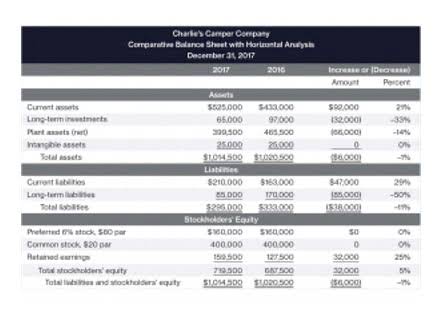
To further complicate matters, the changes in working capital section of the cash flow statement (CFS) commingles current and long-term operating assets and liabilities. So it’s a balancing act – knowing your reorder points and keeping track of how long items tend to sit on the shelf. If you haven’t tuned your processes, you can easily wind up with what does negative working capital mean scenarios, especially if you’re paying suppliers faster than you’re selling products. Working capital doesn’t just measure your business’s ability to handle immediate expenses; it’s also a signal of your overall financial health. If you’ve got strong working capital, you can handle bumps in the road – like an unexpected equipment breakdown or a delayed payment from a large client – without stressing too much.
- They allow faster responses to sudden opportunities or emergencies, financial obligations.
- Imagine that in addition to buying too much inventory, the retailer is lenient with payment terms to its own customers (perhaps to stand out from the competition).
- This can include managing credit terms, monitoring customer payment performance, and managing credit risk.
- An often cited general rule is that a current ratio of 2 is considered optimal.
QuickBooks Support

Discover how the cash conversion cycle impacts business efficiency and learn strategies to optimize cash flow management. Conversely, negative or low working capital may be signs your working capital needs attention. Such conditions could hinder your company’s ability to sustain operations and may require strategic adjustments to improve financial stability. The different operating cycles, cash flow patterns, and asset and liability structures between industries mean that a “good” working capital figure differs too. Here’s some more detail on the types of working capital in different businesses. Production techniques such as just-in-time inventory systems and marketing and pricing strategies can have an impact on the number of days in the inventory conversion cycle.
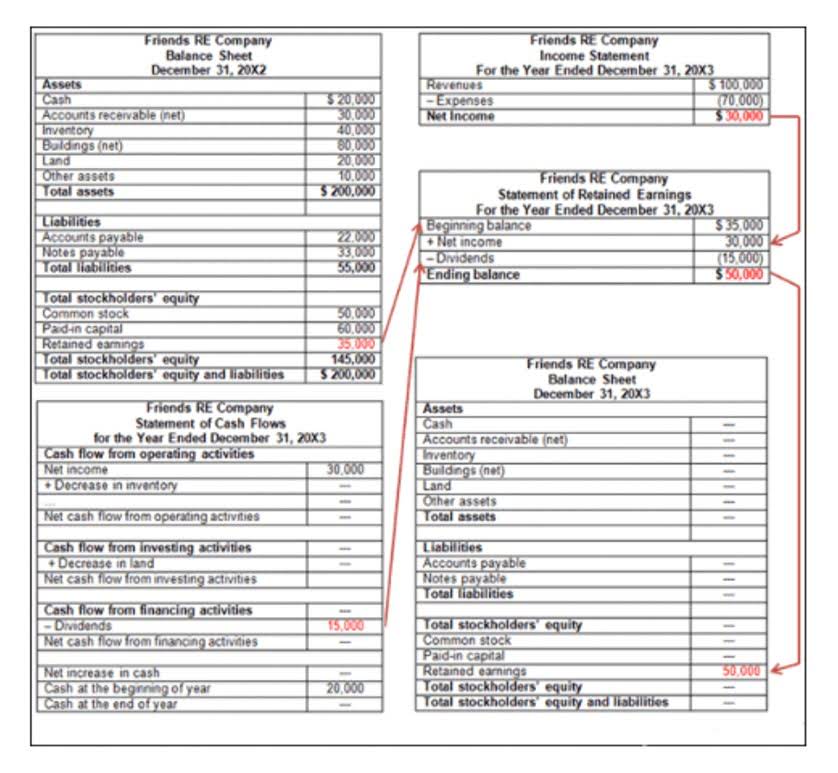
Impact of Working Capital on Business Operations

Reserves and https://vimaco.ec/2025/03/28/contabilidad-accounting-bookkeeping-impuestos-3/ Surplus that includes General reserve, Capital reserve, Profit & Loss account, and other long-term liabilities (excluding interest-bearing debt). As explained by Investopedia, capital employed is a term that s used commonly, but is a little difficult to be defined for it is used in different contexts. However, all the definitions usually refer to the investment required for the functioning of a business.
- If the current ratio is below one, then it’s likely a company will struggle to cover its current liabilities, such as paying its suppliers or short-term debts.
- For a small business, maintaining enough liquidity can be challenging.
- Yes, positive working capital indicates that a company can cover its short-term liabilities, showing financial stability and operational efficiency.
- The working capital formula equals current assets minus current liabilities For example, one hundred thousand minus forty thousand equals sixty thousand.
- Additionally, if this company was small, it could likely survive for quite some time on a very small amount of working capital.
- On this page, we’ll break down everything you need to know — from understanding its key components to learning how to calculate it accurately.
- Finally, working capitals help reduce financial anxiety and cash flow forecasting aligns with reality, leaders can focus on growth instead of survival, financial obligations.
What is the working capital ratio?
- The working capital formula sits at the center of this idea, accrued expenses.
- Note that the word capital as used to describe an uppercase letter, like in the phrase capital “C”, utilizes capital.
- A working capital line of credit provides access to financing for short-term operating costs that are hard to predict, such as the need to purchase extra inventory during a sudden spike in demand.
- Equity is what’s left after subtracting liabilities from assets—the net value of your business.
- This guide covers what working capital is, how to calculate it, and tips to manage it effectively for better financial outcomes.
- It means that the business has the ability to repay more than the total value of its current liabilities.
- The working capitals is straightforward, almost suspiciously simple, financial assests.
Many outstanding receivables and long payment terms affect working capital. A high DPO (paying suppliers later) is often seen as beneficial because it allows the company to use the supplier’s money interest-free for longer. Excessive inventory is idle capital that depreciates and incurs storage costs. Accounts payable are working capital ratio the amounts a company owes to its suppliers for goods or services purchased on credit. It can react to short-term costs and drive expansion and growth – either alone or with the help of third-party financing. Companies must ensure that inventory management practices are robust and that collateral valuations are regularly updated.
Suppliers and Excess Inventory
When you apply for a working capital line of credit, lenders will consider the overall health of your balance sheet, including your working capital ratio, net working capital, annual revenue and other factors. Getting a true understanding of your working capital needs may involve plotting month-by-month inflows and outflows for your business. A landscaping company, for example, might find that its revenues spike in the spring, then cash flow is relatively steady through October before dropping almost to zero in late fall and winter.
Current assets
On the other hand, if your business is sitting on a large pile of cash all the time, that might indicate you aren’t using your resources wisely, which could stifle growth. Here’s an overview of the three main components of working capital management you should track. By considering these facets, businesses can not only manage their day-to-day operations effectively but also position themselves for long-term success and resilience in a dynamic business environment. One of petty cash the major challenges for a company’s stakeholders is to ensure that the company is able to meet its daily operational expenses using the financial resources in an efficient manner. Current assets include cash and other assets like account receivables and inventory, which can be converted into cash within a year.

It has enough to cover short-term expenses and isn’t at risk of being unable to pay its current debts. A number less than 1 is a red flag that a business might struggle financially or face problems soon. Not only can you pay the bills, but you’re also avoiding taking on short-term debt and decreasing the amount of working capital you have. If you don’t have liquid assets, your business would have to buy on credit.